
Tuesday, February 17, 2026 marks the 4,359th Seollal in Dangi, the traditional Korean era count.
A holiday that has endured on this land for 4,359 years.
Seollal is the day the Korean New Year begins according to the lunar calendar. Families gather to welcome the new year. The younger bow to their elders in a formal greeting, and the elders offer blessings in return. And on Seollal morning, we eat tteokguk.
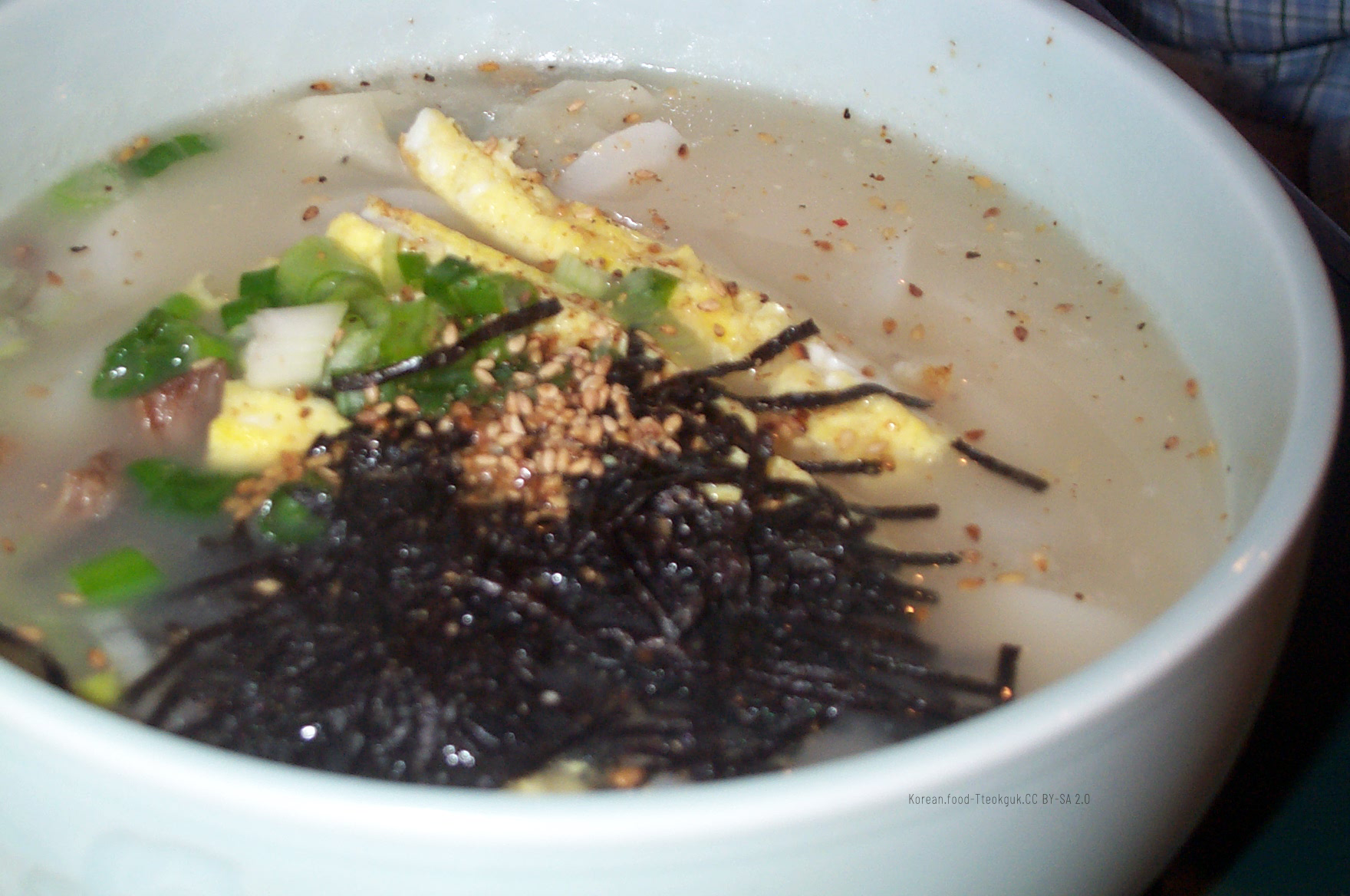
It is a soup made by slicing white garaetteok—long rice cakes—and simmering them in beef broth. Eating white tteokguk on the first day of the year is said to symbolize leaving behind the old year and stepping into a new one. When I was young, an older girl from the neighborhood used to tease me, saying that if I ate one more bowl, I would age another year. But the soup was too good to resist, and whether I aged or not, I remember finishing two bowls, sometimes three.
The long shape of the rice cake is said to represent long life, and the round slices resemble old coins, symbolizing prosperity. A record of eating tteokguk on Seollal appears in Dongguk Sesigi, a late Joseon-era text published in 1849. On the morning of Seollal, people gathered to eat tteokguk and called it “Cheomsebyeong” literally “rice cake that adds a year.”
I, too, ate plenty of tteokguk as a child. I bowed to my elders and received New Year’s money. When I was even younger, I wore a new hanbok and went to the park for photographs. Most Koreans likely carry at least one memory like this of Seollal.
So then, is Seollal in 2026 the same as it was when we were young?
Are families still gathering after time and distance have scattered them—frying jeon, grilling fish, cooking tteokguk, sitting close and exchanging quiet wishes? Are the younger wishing health to their elders, and the elders blessing the younger with happiness?
If that is still possible, you are fortunate.
Even now, many people return to their hometowns, visit their parents, and watch grandchildren run into the arms of their grandparents. They apologize for not visiting sooner, ask about each other’s health, and share small updates about their lives. If you are spending your Seollal that way, that too is a kind of happiness.
But for many, that ordinary happiness is gradually slipping away. Visiting parents during the holidays, showing them the faces of grandchildren, sitting together and talking through years of accumulated stories—these are no longer things everyone can take for granted.
Today, and tomorrow on Seollal, there will be people working alone in studios, opening their shops, making deliveries, or lying in their rooms, scrolling quietly through their phones. And their number is slowly growing.
On the day that has brought people together for four thousand years, there are those who spend it alone—no one to meet, nowhere to go. Unable to gather and exchange blessings, unable to mark the turning of the year together, they pass Seollal as just another day, no different from yesterday.
Among them are people who believe but no longer attend church, those who visit temples yet cannot quiet their thoughts, and others who believe in nothing at all—people with no particular attachment, no clear ambition, simply enduring another day.
Seollal comes to them as well.
That day is tomorrow.
For most people it remains a meaningful holiday, and it is still a day for eating tteokguk.
So perhaps, on Seollal morning, it might be worth cooking a single bowl.
The instant tteokguk made by Ottogi is surprisingly good. It is not far from the taste of the tteokguk we ate at home as children. It is simple to prepare. Pour in water, add the soup base and rice cakes, and let it boil. Soon, a bowl of white, clear tteokguk is ready. Even without egg or kimchi, that single bowl carries its own warmth. You can buy it at a convenience store for about 2,500 won.
So tomorrow morning, even if you are alone, cook yourself a bowl of tteokguk. Let it warm your stomach, at least, as the new year begins.
Make one small wish. Nothing grand. Just that the year might pass safely, that it might feel a little lighter than the last.
This new year is Byeong-o, the Year of the Red Horse. Horses do not stand still. Like the legendary Red Hare of the Three Kingdoms, they move forward, even when no one is watching.
And perhaps, quietly, so will we.
—
By Sunjae Park
Editor, Korea Insight Weekly